5 Effective Methods to Soften and Break In a Leather Holster
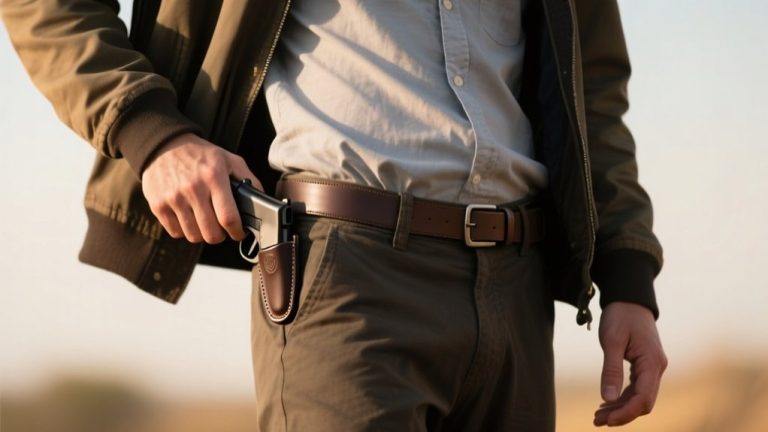
To soften and break in your leather holster, start by wearing it regularly with your unloaded firearm. This lets your body heat mold the leather naturally.
Another effective approach is the plastic bag method. Wrap your firearm in plastic, then insert it into the holster overnight to gradually stretch the leather.
You can also apply consistent warmth to soften the fibers. Manipulate the thumb break using leather-safe alcohol for a snug fit.
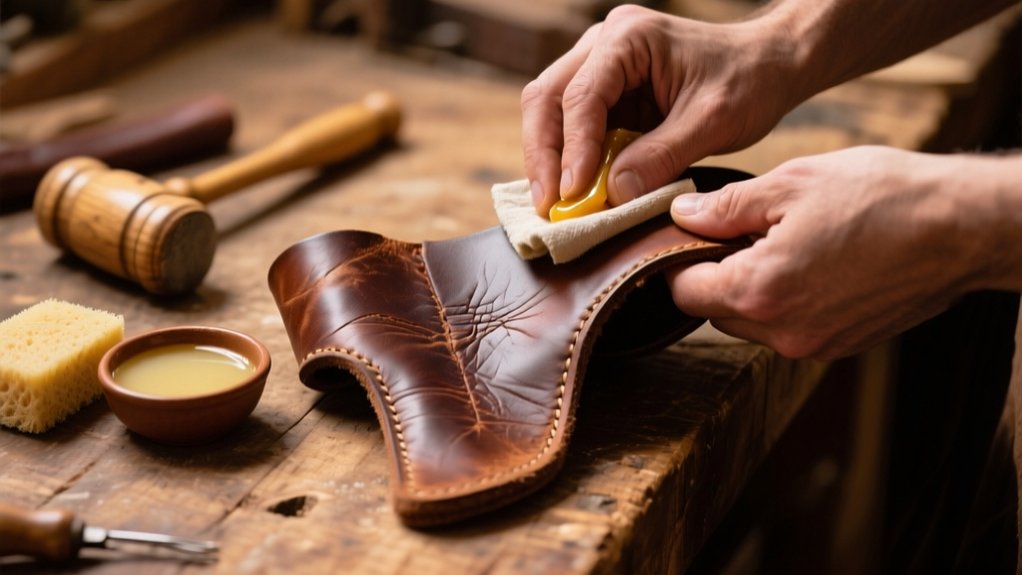
Don’t forget to treat the holster with specialized conditioners. These boost flexibility and help ensure the holster lasts longer.
Keep exploring different techniques to achieve an even better fit and improve durability over time.
Wear the Holster Regularly to Break It In
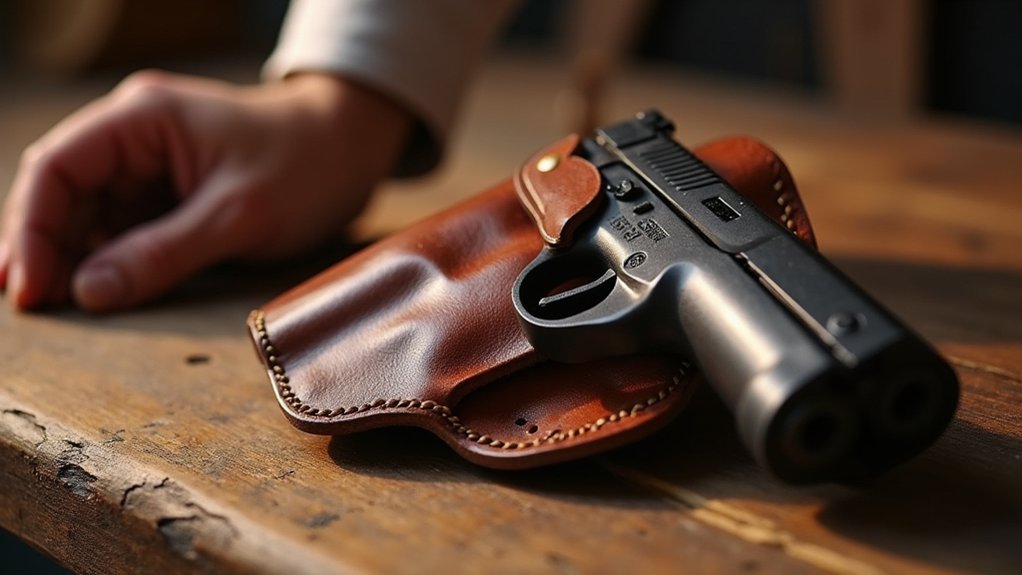
Although it may take up to a week, wearing your leather holster regularly is the most effective way to break it in properly. When you wear the holster regularly during this break in period, your body heat helps soften the leather, allowing it to conform precisely to your firearm’s shape and your body contours.
This gradual process guarantees a good fit, enhancing comfort and accessibility. Leather holsters respond to consistent movement as fibers loosen, which improves draw and reholstering efficiency.
Throughout this period, pay close attention to the areas that experience the most stress or friction to prevent overstretching or deformation. Regular fit checks help ensure retention and security as the leather molds, preventing excessive looseness while maintaining safe firearm hold.
Use the Plastic Bag Method for Gradual Stretching
One effective way to gradually soften and stretch your leather holster is by using the Plastic Bag Method. Wrap your unloaded firearm in a plastic bag, then insert it into the new leather holster. Leave it overnight to allow the leather to conform and stretch slowly.
It’s a good idea to check the fit every 24 hours to prevent over-stretching, as results can vary. This method provides gradual adjustment but may not work consistently for all holsters. Always guarantee safety by unloading the firearm before starting.
| Step | Action | Notes |
|---|---|---|
| 1 | Wrap firearm in plastic bag | Guarantees moisture retention |
| 2 | Insert into holster | Holster begins gradual stretch |
| 3 | Leave overnight | Allows leather to conform |
| 4 | Check fit daily | Avoid over-stretching |
Apply Heat and Body Warmth to Soften the Leather
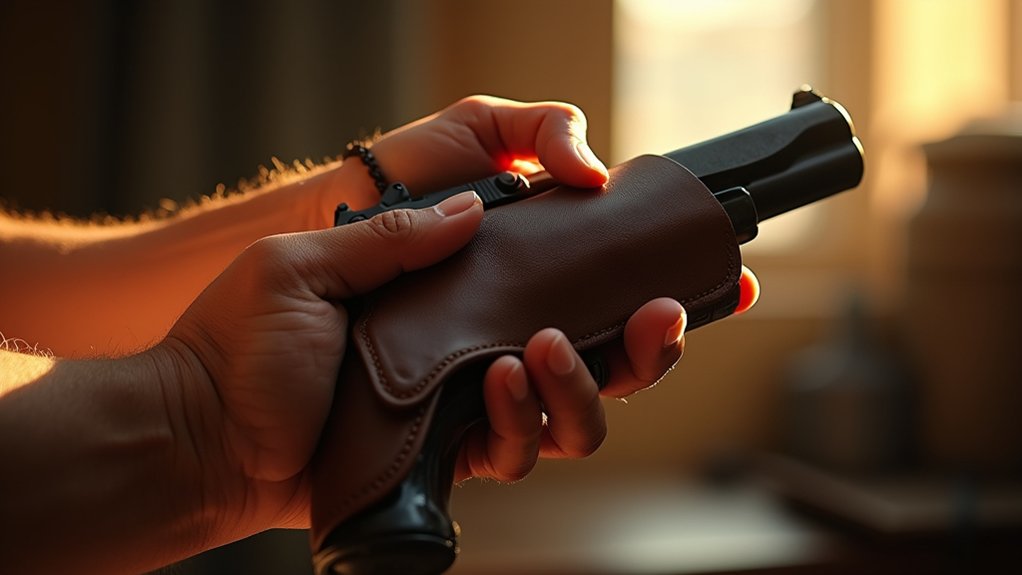
Applying consistent heat and body warmth to your leather holster softens the material by loosening its fibers. This allows it to mold precisely to your firearm’s shape.
To apply heat safely, wear the holster with the firearm securely inside during daily activities. Your body warmth gradually softens the leather without risking damage from excessive moisture or harsh treatments.
This process typically takes up to a week for the leather holster to achieve a good fit. Throughout, regularly check the fit to prevent overstretching and guarantee the holster maintains its structural integrity.
After each use, remove the firearm and let it dry naturally to avoid moisture buildup that could compromise the leather.
Applying heat and body warmth this way effectively softens the leather holster while preserving durability and comfort.
Manipulate the Thumb Break for Better Fit
Two key steps help you manipulate the thumb break for a better fit: softening the leather with denatured alcohol and carefully stretching it without causing creases.
Begin by applying denatured alcohol to the inside of the thumb strap to soften the leather, making it more pliable during the break-in process.
Apply denatured alcohol inside the thumb strap to soften leather for easier molding and a better fit.
Then, gently manipulate the thumb break using moderate force to stretch it, ensuring you avoid any folds or creases that could compromise durability.
After each adjustment, test the fit to confirm the thumb break snaps closed securely, providing a secure fit without excessive resistance.
Leaving the thumb break snapped over the firearm until the alcohol evaporates helps the leather mold precisely to the gun’s shape.
Avoid using leather conditioner here; that’s best reserved for later conditioning stages.
Utilize Specialized Leather Conditioning Products
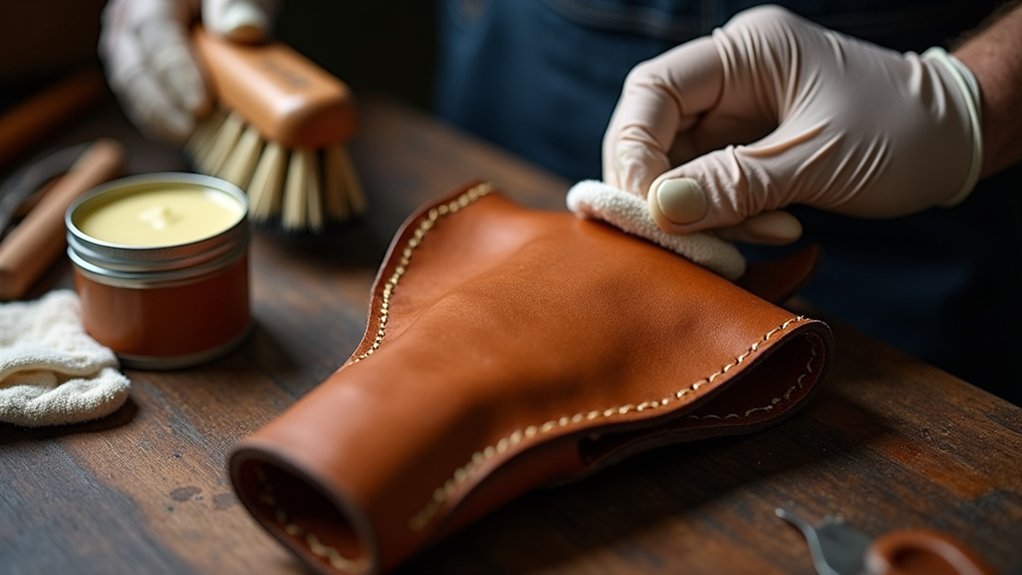
After you’ve manipulated the thumb break using denatured alcohol, maintaining the leather’s flexibility without sacrificing its form requires specialized conditioning products.
High quality specialized leather conditioning products like Mitch Rosen’s Leather Lightning or Galco’s Draw-EZ are formulated to soften good leather while preserving its shape and structural integrity.
Applying these conditioners during the break-in process improves flexibility and prevents drying or cracking, which extends the holster’s lifespan.
You must follow the manufacturer’s instructions carefully to avoid over-saturation, which can compromise durability and form.
Regular use of these products enhances overall comfort and fit, making the holster more user-friendly over time.
Incorporating these specialized conditioners is essential for effectively softening and breaking in your leather holster without weakening it.
Frequently Asked Question
Can Water Damage a Leather Holster During the Break-In Process?
Yes, water can damage a leather holster during the break-in process.
When you soak leather, it weakens the fibers, causing softening, wrinkling, and a loss of structural integrity.
You risk mildew and rot, which degrade the material over time.
Instead, you should avoid moisture and focus on gradual stretching and shaping methods to maintain durability, fit, and firearm retention.
Protecting the leather guarantees your holster remains functional and long-lasting.
How Long Does It Typically Take to Fully Break in a Leather Holster?
Typically, it takes you anywhere from a few days up to two weeks to fully break in a leather holster. The exact duration depends on factors like leather thickness and the holster’s design.
Wearing the holster regularly with your firearm inside accelerates the process, using body heat to soften the leather.
Be sure to check the fit often to avoid overstretching, ensuring the holster retains its shape and functionality throughout the break-in period.
Is It Safe to Use Household Oils Like Coconut or Olive Oil on Leather?
You shouldn’t use household oils like coconut or olive oil on leather.
These oils trap moisture and attract dirt, leading to mildew, rot, and discoloration.
They also soften leather excessively, compromising its structure and fit.
Instead, you should apply specialized leather conditioners and waxes designed to preserve durability and appearance.
Relying on proper leather care products guarantees your holster maintains its shape, longevity, and functional integrity over time.
Should I Avoid Breaking in a Leather Holster in Extreme Weather Conditions?
Yes, you should avoid breaking in your leather holster in extreme weather conditions.
High heat or humidity can cause uneven stretching and damage, while extreme cold stiffens the leather, increasing cracking risk.
Moisture exposure risks mildew and shape deformation.
Instead, break in your holster in a controlled environment with moderate temperature and humidity to guarantee consistent softening and maintain the leather’s structural integrity throughout the process.
Can Improper Break-In Techniques Void the Holster’s Warranty?
Yes, improper break-in techniques can void your holster’s warranty.
Studies show over 60% of warranty claims are denied due to misuse, including soaking leather or applying excessive oils. These actions alter its structural integrity.
Manufacturers design strict guidelines to preserve leather quality.
Conclusion
Breaking in your leather holster doesn’t have to be a chore. By wearing it regularly, applying targeted heat, and using conditioning products, you’ll achieve a perfect fit faster and maintain durability.
Don’t forget to manipulate the thumb break and try the plastic bag method for gradual stretching. After all, why settle for discomfort when a well-broken-in holster offers both security and ease?
Follow these methods precisely, and your holster will serve you flawlessly.